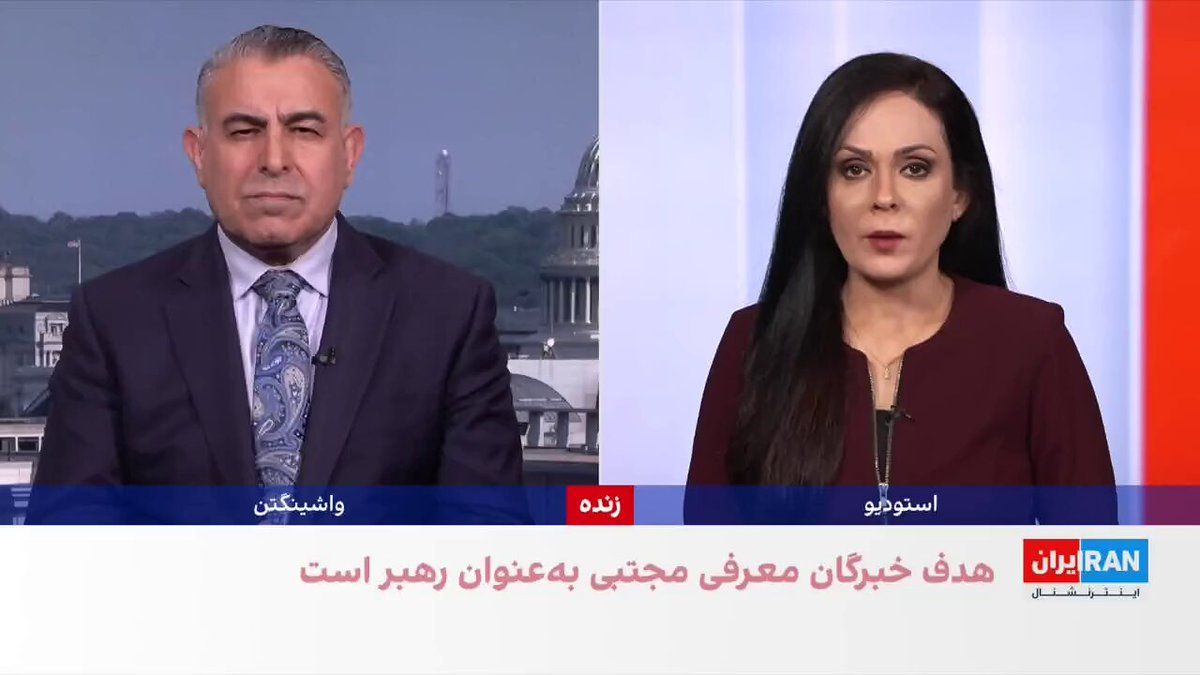
Murad Wasey, an Iranian national analyst, stated that the election of Janshin Khamenei is more complex than mere censorship, despite many people in Iran failing to distinguish between different rulers and their governance.

Murad Wasey, an Iranian national analyst, stated that the election of Janshin Khamenei is more complex than mere censorship, despite many people in Iran failing to distinguish between different rulers and their governance.

The Islamic Republic of Iran has imposed conditions requiring citizens to publish images of Supreme Leader Khamenei to regain internet access, following shutdowns and restrictions that have caused significant damage to people's lives and businesses. Reports indicate that those critical of the government face internet cutoffs and must engage in supportive activities to restore access, turning the internet into a tool for political control.
Official statistics report over 200,000 applicants for unemployment insurance in Iran amid ongoing economic challenges, including war, repression, and internet outages. Economist Masoud Pezeshkian had previously called for austerity measures in response to inflation and price hikes.
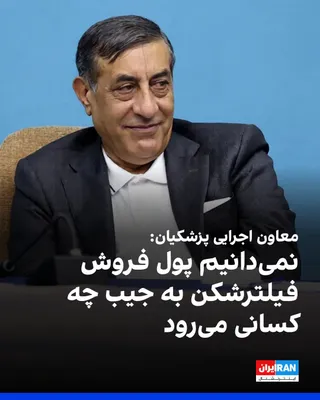
Mehdi Tabatabai, Deputy for Communications and Information of Masoud Pezeshkian's office, stated that under wartime conditions, if a referendum is held, people would prioritize security over unrestricted internet access. Tabatabai emphasized that decisions regarding internet restrictions are made by specialized security institutions and the Supreme National Security Council to mitigate serious security risks.
On the seventy-fifth day of the internet shutdown in Iran, President Masoud Pezeshkian appointed his First Vice President to head the "Special Headquarters for Organizing and Leading the Country's Cyberspace" while retaining his own position as president.