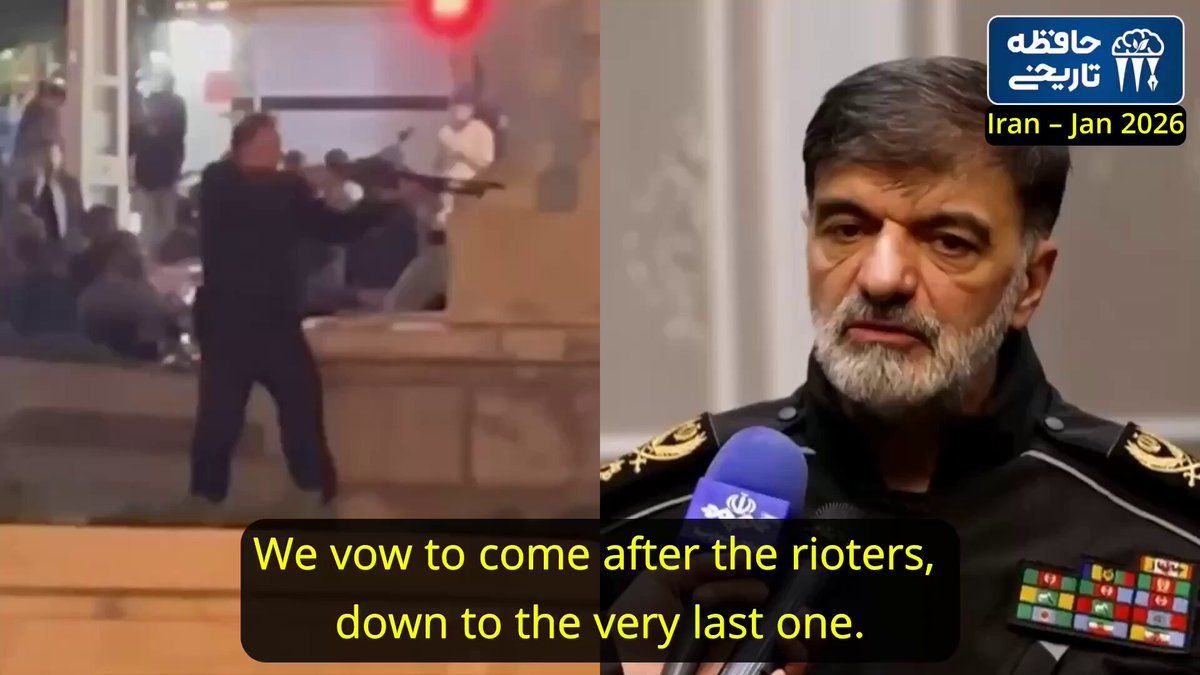
The Islamic Republic regime in Iran is executing Iranians en masse, primarily by hanging with cranes, often after torture. This practice continues despite claims of a ceasefire.

The Islamic Republic regime in Iran is executing Iranians en masse, primarily by hanging with cranes, often after torture. This practice continues despite claims of a ceasefire.

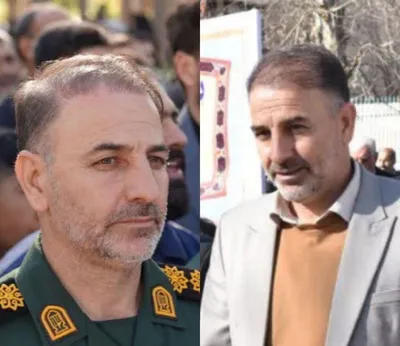
Ahmad Khodaei, husband of Salehe Akbari, an Iranian nurse who aided wounded protesters during the January uprising, attempted suicide after months of psychological torture by security forces, including the sexual abuse of his wife's body at the morgue and threats of violence.
Hana Human Rights Organization reported that Ghazal Molaei, a Peshmerga fighter with the "Komala Party of the Toilers of Kurdistan," died on April 15 from injuries sustained in a drone attack by the Islamic Republic on the Sourdash camp in the Kurdistan Region of Iraq; two other individuals were also wounded in the attack.
President Trump is considering fresh negotiations with Iran, possibly in Pakistan within the next 48 hours, demanding Iran dismantle its nuclear program, cease terror proxy activities, and reopen the Strait of Hormuz. The proposal does not address Iran's internal repression of its citizens.
Human Rights Watch reports that the Sudanese Armed Forces and allied units are conducting widespread arbitrary detentions, torture, and abuse of civilians in areas under their control, which may constitute war crimes.
Currently, the islamic regime is doing exactly what it promised to do, which is execute Iranians in massive numbers. The main method is hanging by crane. This is often proceeded by torture. This is what "ceasefire" looks like from the perspective of Iranians.