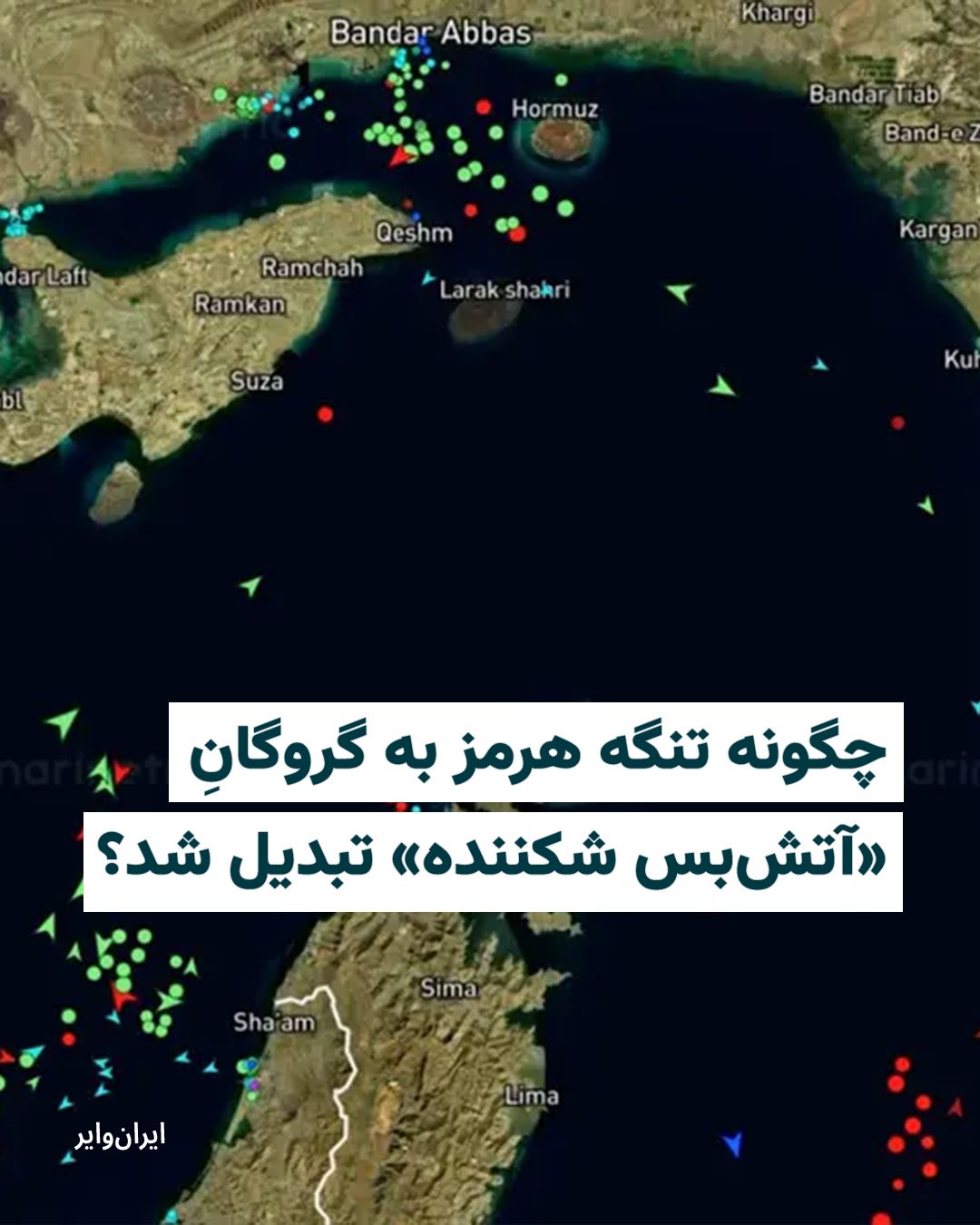
The United States and Iran have an official ceasefire in place, but its stability is deteriorating, particularly due to disputes over the Strait of Hormuz. Reports indicate ongoing tensions over navigation and control in the strategic waterway.

The United States and Iran have an official ceasefire in place, but its stability is deteriorating, particularly due to disputes over the Strait of Hormuz. Reports indicate ongoing tensions over navigation and control in the strategic waterway.

Italy is prepared to deploy up to four Navy ships to the Strait of Hormuz to clear mines in the waterway.
Esmail Saghaei Esfahani, deputy to Masoud Pezeshkian, threatened to target Saudi Arabia's oil facilities if Iran's oil wells are attacked, stating that their response would be "necessary and appropriate." He also mentioned a graduated response ladder, ranging from "eye for an eye" to "eye for a head."
The Wall Street Journal reported that due to disruptions in traffic through the Strait of Hormuz caused by actions of the Islamic Republic's regime, ships are now paying over $1,000,000 to transit the Panama Canal, with average auction prices reaching $385,000 from March to April, compared to $140,000 before the crisis.
At the White House, President Trump emphasized that the United States maintains control over the Strait of Hormuz and continues its maritime blockade against the Islamic Republic of Iran, asserting that Iranian actions like laying mines would harm Iran but not affect the United States.
آمریکا و ایران رسماً در آتشبس هستند، اما این آتشبس روز به روز شکنندهتر میشود و موضوع تنگه هرمز گره جدید در مذاکرات آنها به وجود آورده است. در تنگه هرمز چه خبر است؟ گزارش عطا محامد iranwire.com/fa/features/15…