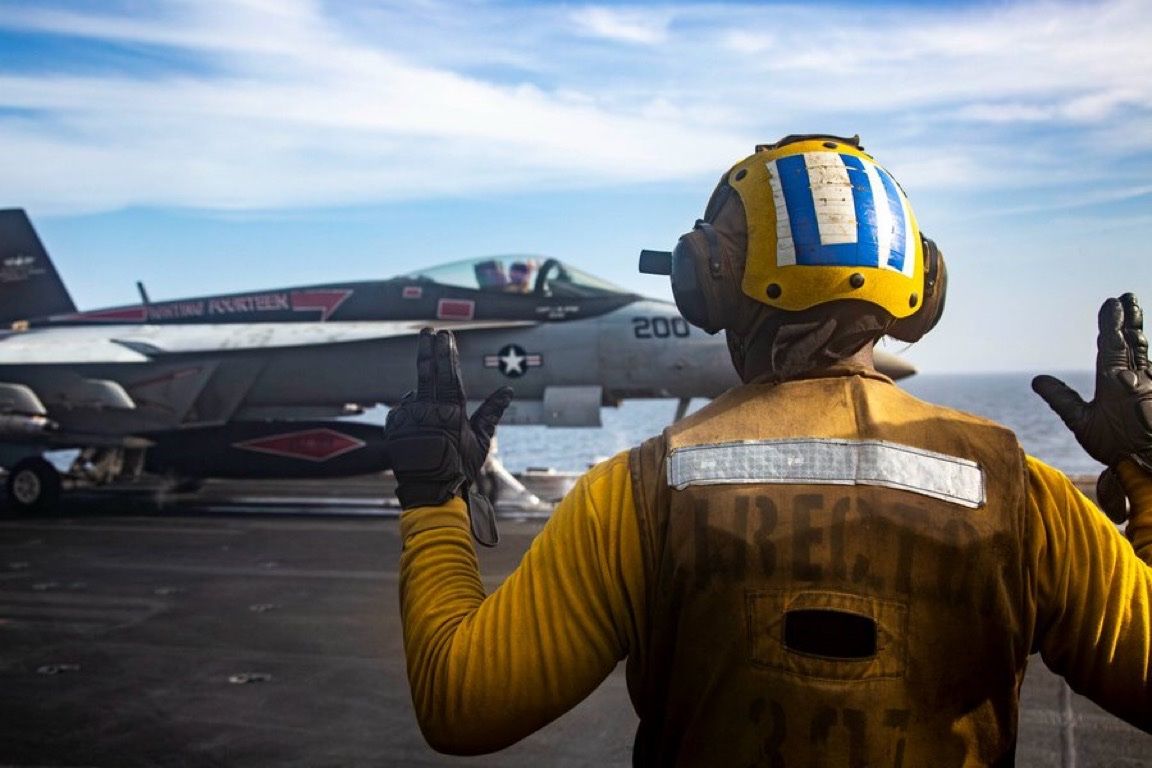
On December 15, 2025, a U.S. Sailor signaled an F/A-18E Super Hornet from the flight deck of the USS Abraham Lincoln (CVN 72) as part of U.S. naval blockade operations in regional waters off the coast of Iran.

On December 15, 2025, a U.S. Sailor signaled an F/A-18E Super Hornet from the flight deck of the USS Abraham Lincoln (CVN 72) as part of U.S. naval blockade operations in regional waters off the coast of Iran.

The ministers of the Gulf Cooperation Council and the U.S. Secretary of State issued a joint statement emphasizing the need to confront Iranian threats, including ballistic missiles, drones, and support for proxy forces, to achieve regional peace and security. The statement also stressed the importance of free navigation through the Strait of Hormuz and outlined conditions for future trade and investment with Iran, contingent upon Iran's adherence to international agreements and cessation of destabilizing behaviors.
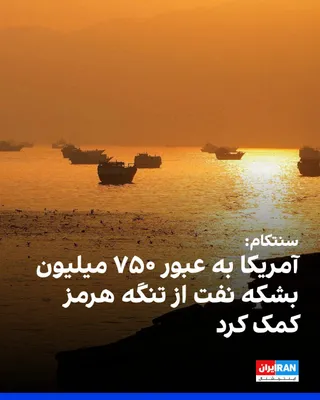
On July 4, 2025, Oman's Foreign Minister Badr Al-Busaidi stated during a Gulf Cooperation Council meeting with US Secretary of State Marco Rubio that no transit fees will be imposed in the Strait of Hormuz. The previous day, Oman had directed ships to use a provisional route in the strait, prompting an IRGC statement that the alternative route is unacceptable and poses a security risk.
Mehdi Taremi, napastnik Republiki Islamskiej, wszedł na terytorium Stanów Zjednoczonych mimo członkostwa w Korpusie Strażników Rewolucji Islamskiej oraz wyrażania przekonań popierających zniszczenie narodu żydowskiego; Taremi opublikował poparcie dla stwierdzenia Khameneiego, że Izrael zostanie zniszczony do 2042 roku.
Abbas Araghi, minister ds. spraw zagranicznych Islamskiej Republiki Iranu, napisał na X, że prowadził budowniczy dialog z Badrem Al-Busaidim, ministrem spraw zagranicznych Omanu, podkreślając zaangażowanie Iranu w prowadzenie dialogu z Omanem i sąsiednimi krajami w celu ustanowienia ram dla zarządzania i zapewniania usług morskich w Cieśninie Hormuz.