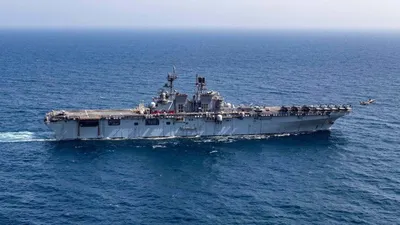
@Open Source Intel: U.S. Marine Corps F-35B launches from the USS Tripoli in the Arabian Sea, April 24. @CENTCOM
On April 24, U.S. Marine Corps F-35B fighter jets launched from the USS Tripoli in the Arabian Sea, according to CENTCOM.
Reactions and statements from the international community
On April 24, U.S. Marine Corps F-35B fighter jets launched from the USS Tripoli in the Arabian Sea, according to CENTCOM.
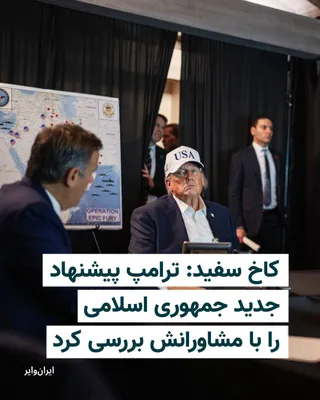
On Monday, U.S. President Donald Trump convened a meeting with his top national security advisors to discuss Iran's new proposal to end the war, which includes reopening the Strait of Hormuz in exchange for lifting the U.S. blockade. White House spokesperson Caroline Leavitt stated that the proposal is under consideration but did not confirm any specific decisions.
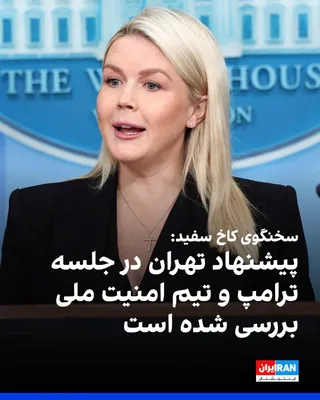
Caroline Leavitt, White House spokesperson, stated during a press briefing that Tehran's proposal for the mutual reopening of the Strait of Hormuz was discussed in Monday's meeting between President Donald Trump and the National Security Team, but declined to comment further. Leavitt also noted that the U.S. administration's stance on the nuclear issue and other red lines regarding the Islamic Republic has been clearly and transparently communicated multiple times.
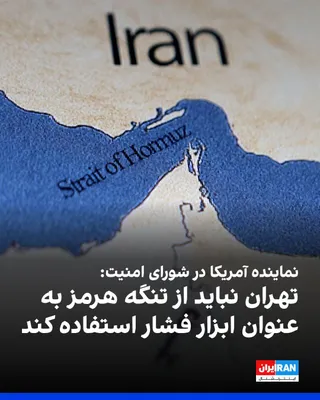
The U.S. representative to the United Nations Security Council stated that international waterways must not be used as weapons and declared that the United States will not tolerate the Islamic Republic of Iran's use of the Strait of Hormuz for pressure tactics. The representative also criticized China and Russia for prioritizing economic interests over international commitments in relation to maritime security in the Red Sea and Persian Gulf.
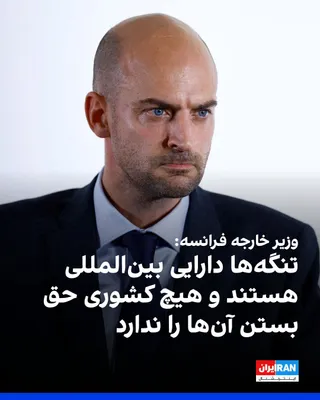
France's Foreign Minister Jean-Noël Barrot stated that the situation in the Strait of Hormuz extends beyond regional concerns and affects global interests, emphasizing that no country has the right to close the strait. The United Nations Maritime Agency also rejected the imposition of tolls in the Strait of Hormuz, asserting there is no legal basis for charging fees for passage through it.
Iran International reports that Israel has targeted a large IRGC assassination and sabotage cell in Qom, led by a cleric from a neighboring country and affiliated with the Al-Mustafa International University, under the supervision of four senior IRGC commanders.
According to Reuters, an opponent of the Islamic Republic in Sulaymaniyah, Iraq, was targeted in a drone attack. Reports indicate that approximately 20 missile and drone attacks have targeted bases and residence centers of Iran's Kurdistan parties in the Iraqi Kurdistan Region following a ceasefire between Tehran and Washington.
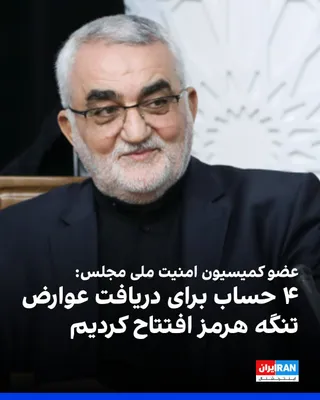
Alaeddin Boroujerdi, a member of Iran's Parliament's National Security and Foreign Policy Commission, announced that the Hormuz Strait Security Plan will be enacted as law immediately after Parliament reconvenes, with fees collected by the IRGC Navy to be deposited into four special accounts based on the rial, yuan, dollar, and euro.
On January 15, 2026, U.S. Secretary of State Marco Rubio rejected Iran's attempts to impose rules on the Strait of Hormuz, stating that the U.S. cannot tolerate Iran's control over an international waterway and any associated fees.
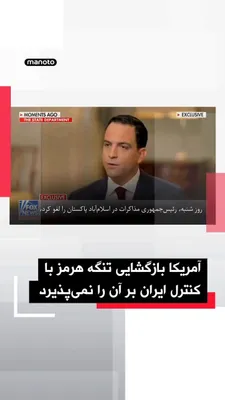
U.S. Secretary of State Marco Rubio told Fox News that the reopening of the Strait of Hormuz should not imply control by the Islamic Republic, stressing that Iran should not dictate who passes through or impose costs on shipping.
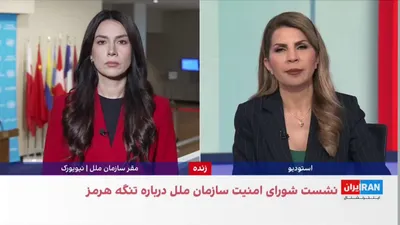
The United Nations Security Council is hosting a session on maritime security in the Strait of Hormuz, addressing recent developments including decreased ship traffic, increased insurance costs, the seizure of vessels, and heightened restrictions.
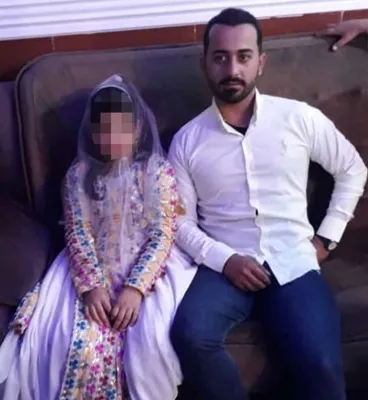
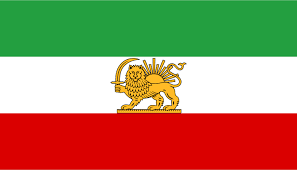
Under the current Islamic regime in Iran, child marriage as young as nine years old is permitted with parental consent, a policy that was not in place before 1979 when the age limit for marriage was strictly 18.