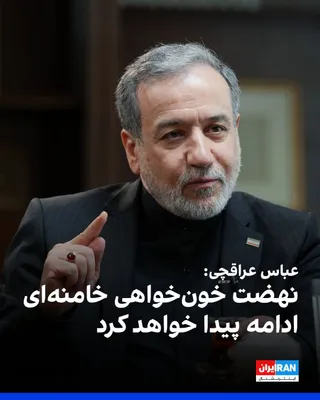
Abbas Araghchi, the Foreign Minister of the Islamic Republic of Iran, announced that the passage of all commercial ships through the Strait of Hormuz will remain free until the end of the temporary ceasefire period with the United States.

Abbas Araghchi, the Foreign Minister of the Islamic Republic of Iran, announced that the passage of all commercial ships through the Strait of Hormuz will remain free until the end of the temporary ceasefire period with the United States.

U.S. Central Command announced that since the start of the maritime blockade of Iran, it has prevented 27 Iranian ships from passing through the Strait of Hormuz.
Iraqi militants supported by the Islamic Republic have launched hundreds of explosive drones at Saudi Arabia and Kuwait over the past five weeks. Gulf countries, particularly Saudi Arabia, are reportedly considering strikes against Iranian-backed proxies in Iraq.
On April 21, 2026, the Deputy Governor of Hormozgan announced the completion of an operation to neutralize and conduct a controlled explosion of unexploded projectiles in Bandar Abbas. The IRGC also reported that controlled explosions were heard in the Soffeh area of Isfahan and will continue into the afternoon.
Traffic through the Strait of Hormuz remains restricted, with only 12 ships passing through in the past 24 hours, according to NBC News and MarineTraffic data. Four of these ships were flagged by the Islamic Republic, and most navigated through the route near Bandar Abbas approved by the Islamic Republic.
عباس عراقچی، وزیر امور خارجه جمهوری اسلامی اعلام کرد عبور و مرور همه کشتیهای تجاری از تنگه هرمز تا پایان دوره آتشبس موقت با آمریکا بهطور کامل آزاد شده است. جزییات بیشتر با سمیرا قرایی، خبرنگار ایراناینترنشنال