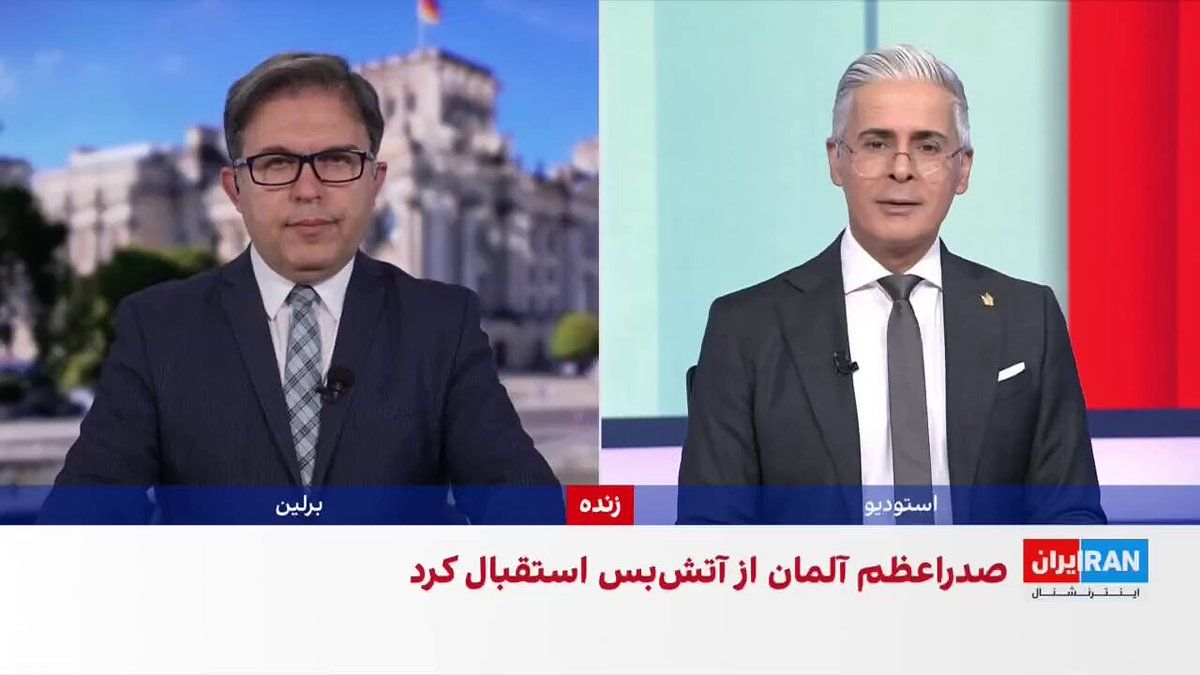
Chancellor Friedrich Merz of Germany announced that his country will take "appropriate measures" to ensure freedom of navigation in the Strait of Hormuz, following the temporary ceasefire between the Islamic Republic of Iran and the United States.

Chancellor Friedrich Merz of Germany announced that his country will take "appropriate measures" to ensure freedom of navigation in the Strait of Hormuz, following the temporary ceasefire between the Islamic Republic of Iran and the United States.

US Vice President JD Vance announced that Washington has established mechanisms to keep the Strait of Hormuz open, ensuring the passage of approximately 15 million barrels of oil daily, which has helped lower oil and gasoline prices. Vance also stated that the US is cooperating with Israel and Gulf Arab countries to maintain a regional ceasefire and is working to strengthen nuclear monitoring with Iran after it allowed inspectors access for the first time in a long while.
Vice President Vance stated that the United States has established mechanisms to keep the Straits of Hormuz open and to enforce a regional ceasefire, with Iran now allowing weapons and nuclear inspectors into the country for the first time in a long while, while technical negotiations continue to make progress.