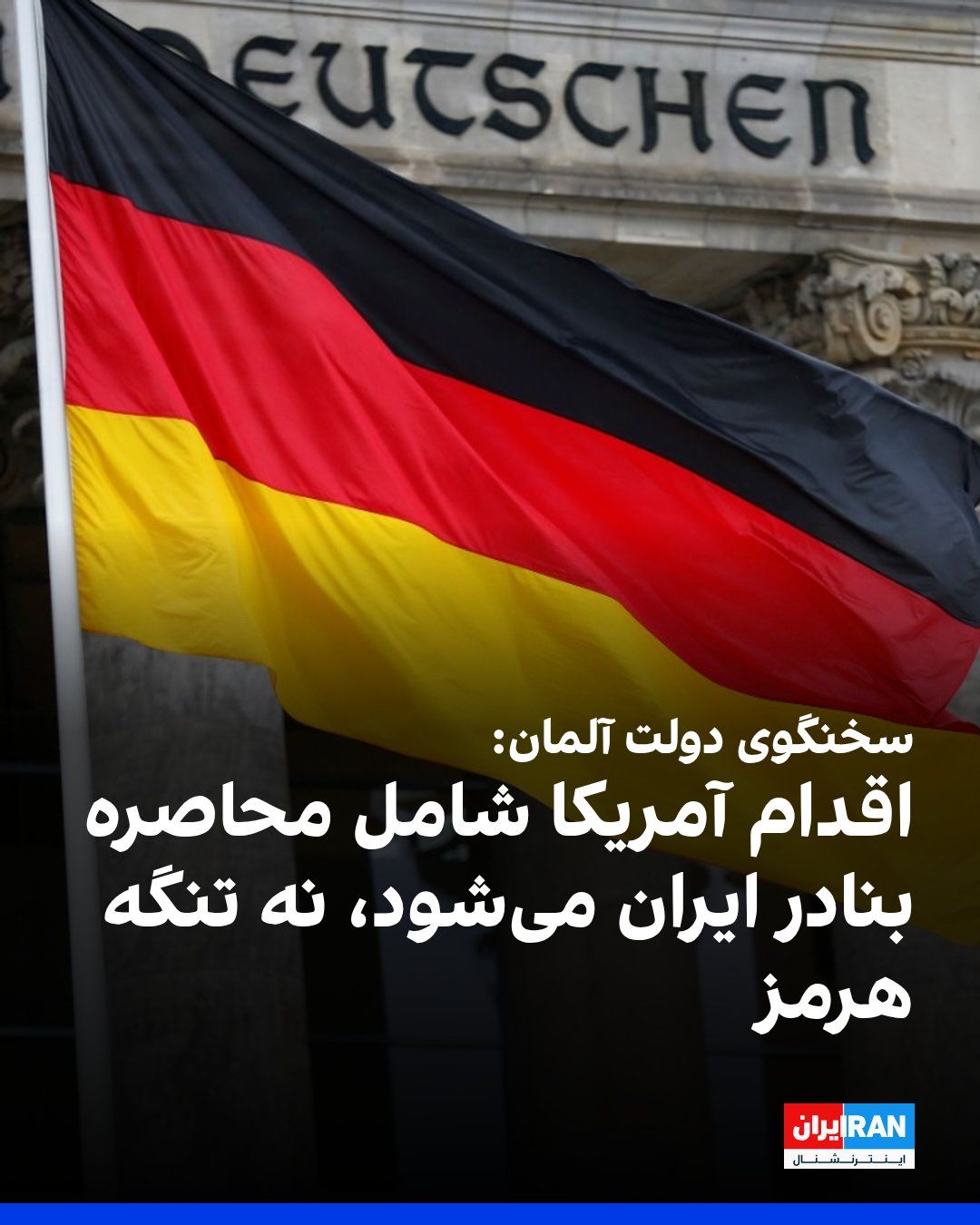
The German government spokesperson stated that the U.S. action involves blockading Iran's ports rather than the Strait of Hormuz, emphasizing that this move is intended to increase pressure but does not signal the end of diplomatic processes.

The German government spokesperson stated that the U.S. action involves blockading Iran's ports rather than the Strait of Hormuz, emphasizing that this move is intended to increase pressure but does not signal the end of diplomatic processes.

U.S. Central Command announced that since the start of the maritime blockade of Iran, it has prevented 27 Iranian ships from passing through the Strait of Hormuz.
Iraqi militants supported by the Islamic Republic have launched hundreds of explosive drones at Saudi Arabia and Kuwait over the past five weeks. Gulf countries, particularly Saudi Arabia, are reportedly considering strikes against Iranian-backed proxies in Iraq.
On April 21, 2026, the Deputy Governor of Hormozgan announced the completion of an operation to neutralize and conduct a controlled explosion of unexploded projectiles in Bandar Abbas. The IRGC also reported that controlled explosions were heard in the Soffeh area of Isfahan and will continue into the afternoon.
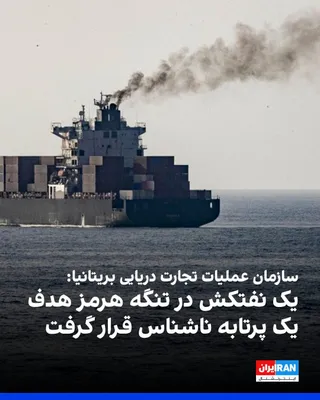
Traffic through the Strait of Hormuz remains restricted, with only 12 ships passing through in the past 24 hours, according to NBC News and MarineTraffic data. Four of these ships were flagged by the Islamic Republic, and most navigated through the route near Bandar Abbas approved by the Islamic Republic.
سخنگوی دولت آلمان اعلام کرد که برلین بر این باور است اقدام آمریکا شامل محاصره بنادر ایران است، نه محاصره تنگه هرمز. او افزود: «این محاصره به معنای پایان این روند دیپلماتیک نیست و ما آن را اقدامی برای افزایش فشار میدانیم.» iranintl.com/202604139049