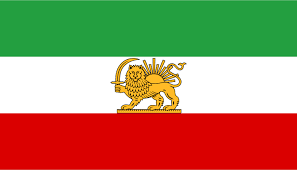
Protesters in Iran are calling for the overthrow of the Islamic Republic regime, expressing ongoing resistance against the government following the deaths of over 45,000 protesters since the start of the revolution in 2025.

Protesters in Iran are calling for the overthrow of the Islamic Republic regime, expressing ongoing resistance against the government following the deaths of over 45,000 protesters since the start of the revolution in 2025.

In a statement on the Iran deal, former U.S. President Trump said continuing military action against Iran could lead to an economic disaster, adding that the U.S. will resume bombing if no progress is made within the next sixty days. He also mentioned sending a copy of the agreement to Israel and expressed that Iran needs investments but the U.S. will not provide them.
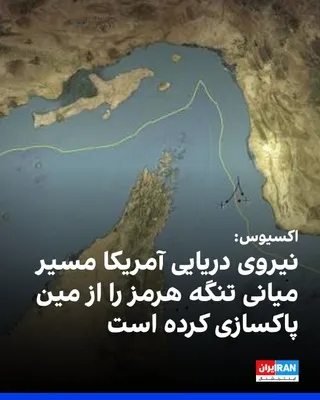
The U.S. and Iran have agreed to an immediate and permanent ceasefire across all fronts, including Lebanon, and committed to not interfering in each other’s internal affairs while respecting territorial integrity. The two sides will engage in 60 days of talks to negotiate a final agreement, with provisions for lifting naval blockades, restoring commercial shipping through the Strait of Hormuz, and developing a $300 billion reconstruction plan for Iran.
The Memorandum of Understanding (MOU) includes Iran's promise not to develop nuclear weapons and the reopening of the Strait of Hormuz with toll-free commercial shipping for 60 days, while also providing broad sanctions relief and unfreezing Iranian assets, but without addressing Iran’s support for terrorism, ballistic missile program, or human rights abuses.
U.S. Senator Lindsey Graham wrote on the X network that after speaking with Steve Witkoff, he believes signing a memorandum of understanding with the Islamic Republic would be in America's interest, helping to reopen the Strait of Hormuz and reduce conflicts with Iran, though he acknowledges the uncertainty of reaching a verifiable agreement.