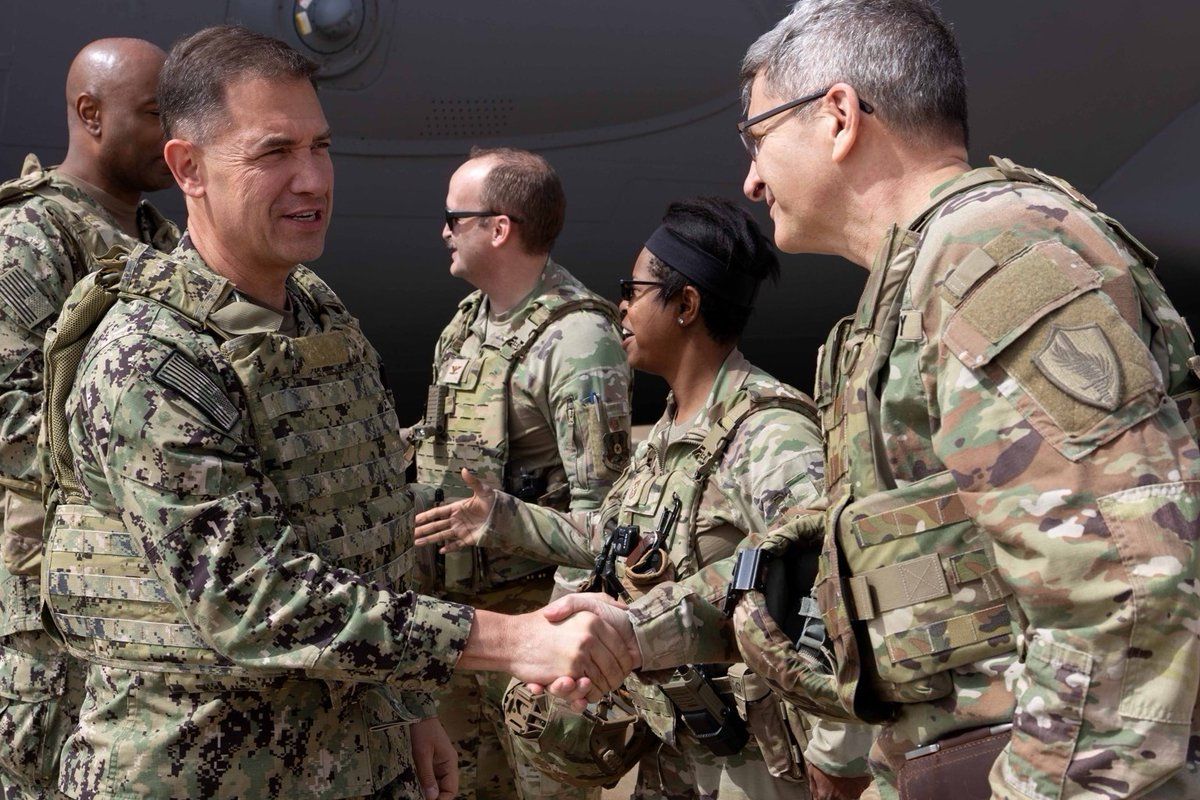
Adm. Brad Cooper, commander of U.S. Central Command, concluded his second trip to the Middle East in 15 days, engaging with regional partners in six countries and meeting with U.S. troops.

Adm. Brad Cooper, commander of U.S. Central Command, concluded his second trip to the Middle East in 15 days, engaging with regional partners in six countries and meeting with U.S. troops.

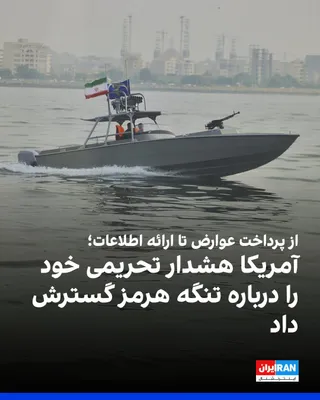
US Air Force tankers and fighter aircraft continued heavy activity over the Strait of Hormuz on December 15, 2025, engaging in a cat-and-mouse game with Iranian naval gunboats and coastal air defense positions, despite an ongoing ceasefire agreement.
Masoud Pezeshkian, an Iranian critic, stated that as a Muslim, he cannot accept Iran lagging behind non-Muslim countries and called for addressing unemployment and hunger, challenging those who claim they can solve the country's problems. He also expressed a commitment to continuing the path set by Ali Khamenei.
U.S. Energy Secretary Chris Wright announced at the Reuters Global Energy Forum in New York on Wednesday that approximately 20 million barrels of crude oil had passed through the Strait of Hormuz in the past 24 hours, with 72 ships traversing the waterway. Wright also stated that Iran will not be able to close the Strait of Hormuz in the future, emphasizing the U.S. aim to diminish Iran's leverage in the region.
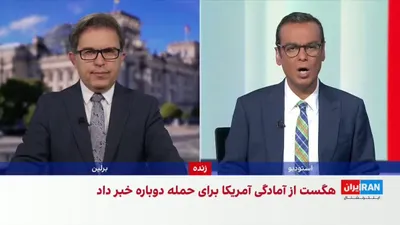
Political analyst Novid Mohabi stated that significant contradictions remain between Tehran and Washington regarding IAEA inspections, use of released financial resources, and control over the Strait of Hormuz. He also noted that both sides are focused on preserving their desired public image domestically.