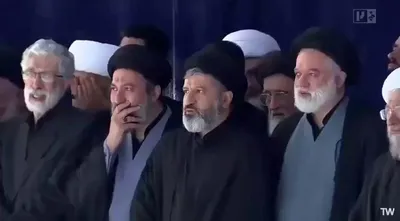
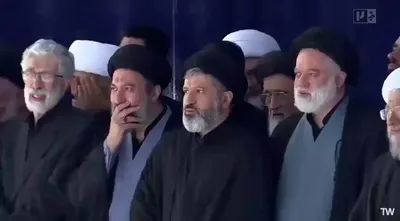
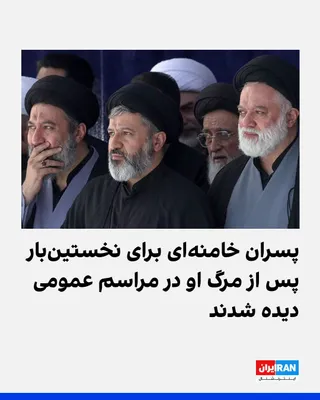
Protests@Open Source Intel: Three sons of former Iranian Supreme Leader Khamenei (Mostafa, Meysam, and Masoud) were seen praying beside his coffin The new Supreme Leader Mojtaba Khamenei did not make an appearanceJul 5, 20260Read more
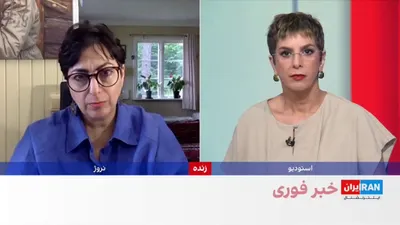
Protests@ايران اينترنشنال: در حالی که بحران اقتصادی و گرانی معیشت، زندگی میلیونها ایرانی را تحت فشار قرار داده، حکومت با صرف هزینههای بسیار در حال برگزاری مراسم عزاداری علی خامنهای است. آسیه امینی، تحلیلگر مسائل اجتماعی، معJul 5, 20260Read more
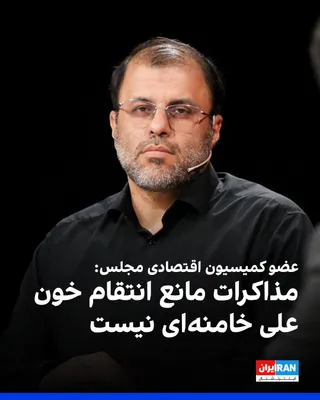
International Response@ايران اينترنشنال: Meisam Zohourian, a member of the Parliament's Economic Commission, wrote on the social network X that the most important point of the Assembly of Experts' statement is that the memorandum of understaJul 5, 20260Read more
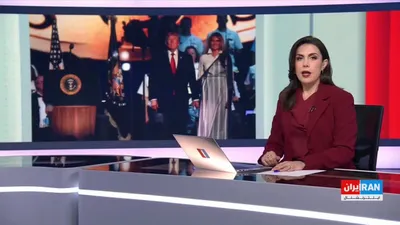
International Response@ايران اينترنشنال: Hossein Aghaei, a member of the editorial board of Iran International, in reaction to Donald Trump's statements at the celebration of the 250th anniversary of American independence regarding the destrJul 5, 20260Read more
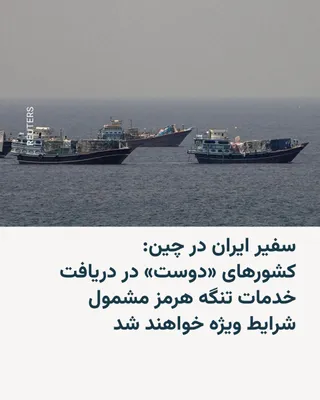
International Response@RadioFarda|راديو فردا: The Ambassador of the Islamic Republic of Iran to China announced that Tehran, after the end of the 60-day initial agreement period with the United States, will charge service fees for ships passing tJul 5, 20260Read more
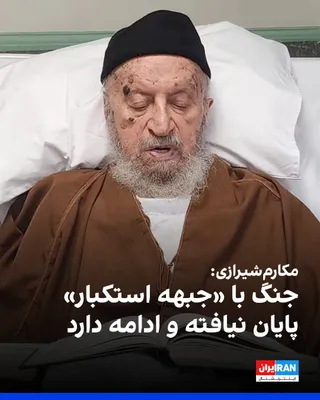
International Response@ايران اينترنشنال: Nasser Makarem Shirazi, a pro-government source of emulation, stated in a message on the occasion of the state funeral ceremony for Ali Khamenei that it should not be imagined that the war has ended aJul 5, 20260Read more
Arrests@Masih Alinejad: Khamenei's sons are weeping. His victims' families wept for decades. Nobody arrested them for crying. Unlike what your father did to ours. Cry harder. It still won't be enough. However Mojtaba KhameneJul 5, 20260Read more
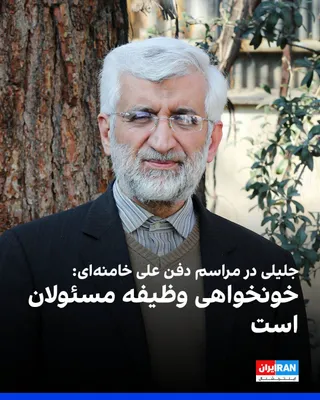
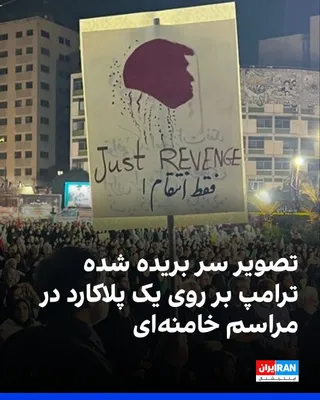
Protests@ايران اينترنشنال: سعید جلیلی، عضو شورای عالی امنیت ملی، در حاشیه مراسم دفن علی خامنهای گفت: «خونخواهی» علی خامنهای وظیفه مسئولان است. همزمان با مراسم دفن علی خامنهای در مصلی تهران پیامهای درباره «گرفتن انتقام علی خJul 5, 20260Read more
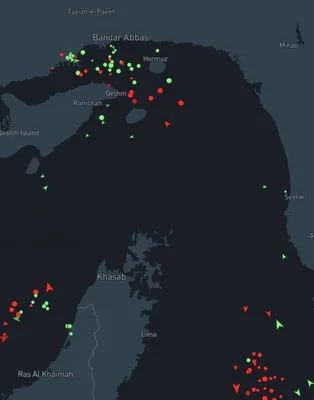
Protests@✡︎𝐋𝐢𝐯𝐞𝐈𝐫𝐚𝐧𝐍𝐞𝐰𝐬🇮🇷🇮🇱: ⚡🇺🇸🦀Hormuzelter: Terrorist Group IRGC Halts U.S.-Supported Corridor in Strait of Hormuz/According to a Hormuzelter report, the naval forces of the terrorist group IRGC, by deploying fast attack boaJul 5, 20260Read more
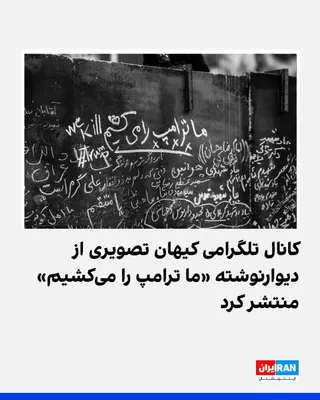
International Response@✡︎𝐋𝐢𝐯𝐞𝐈𝐫𝐚𝐧𝐍𝐞𝐰𝐬🇮🇷🇮🇱: ⚡🇺🇸🦀The message could not be any clearer. A Telegram channel linked to Keyhan, the newspaper run under the authority of the Islamic Republic’s Supreme Leader representative, shared photos from KhamJul 5, 20260Read more
International Response@ايران اينترنشنال: The Telegram channel of the Kayhan newspaper, which is managed under the supervision of the representative of the Leader of the Islamic Republic, has published two images of a graffiti that reads: "WeJul 5, 20260Read more
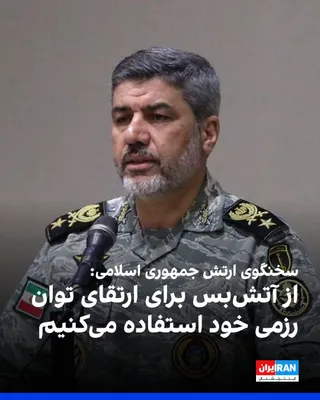
International Response@ايران اينترنشنال: Mohammad Akrami-Nia, spokesperson for the Islamic Republic's army, stated in an interview with the state news agency IRNA: "We have repeatedly announced that we are using the ceasefire opportunity to Jul 5, 20260Read more
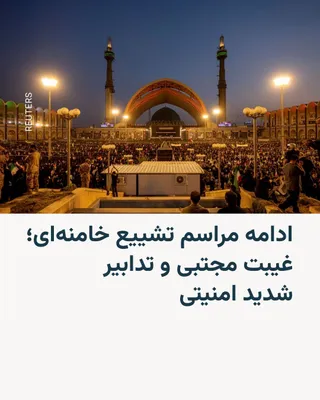
International Response@RadioFarda|راديو فردا: The first two days of Ali Khamenei's Shahrozeh Shi'a ceremony in Tehran on Rose Shabah 13 Tirmah with heavy security measures, the disruption of Rose Shabah's secretariat and the presence of governmenJul 5, 20260Read more
International Response@ايران اينترنشنال: Iranian media published a photo of Mustafa, Masoud, and Meysam, the three sons of Ali Khamenei, at his "funeral prayer" ceremony in Tehran’s Musalla. This is the first time that, following Ali KhamenJul 5, 20260Read more
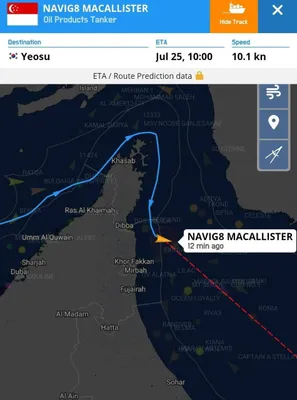
International Response@✡︎𝐋𝐢𝐯𝐞𝐈𝐫𝐚𝐧𝐍𝐞𝐰𝐬🇮🇷🇮🇱: ⚡🇺🇸🦀Traffic on the southern route of the Strait of Hormuz is slowly resuming/Reports indicate that a limited number of ships are once again using the U.S.-supported southern corridor, but this routJul 5, 20260Read more
Protests@ايران اينترنشنال: به گزارش خبرگزاری ایسنا، یک «فعال فرهنگی و عکاس اسپانیایی» به نام پدرو جی. ساآودرا با حضور در تهران، در حال پوشش مراسم حکومتی تشییع و دفن علی خامنهای است. در یکی از عکسهای منتشرشده در بخش روایتگر Jul 5, 20260Read more
Casualties@Open Source Intel: NEW: Meet the new IRGC commander appointed to control the Hormuz and IRGC Navy. Iranian state TV introduced Ali Ozmaei as the new IRGC Navy commander, replacing Alireza Tangsiri, who was killed in aJul 5, 20260Read more
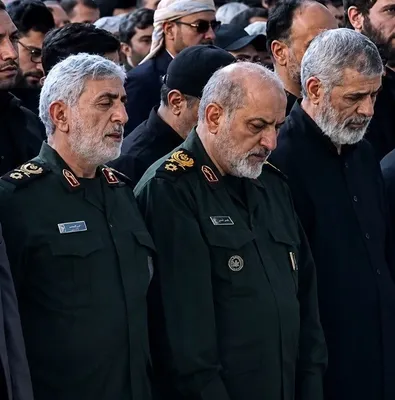
International Response@Open Source Intel: I’m sure Israeli stealth drones are watching every move. Vahidi, commander of the Revolutionary Guards, and Qaani, commander of the Iranian Quds Force, were seen in the crowd at the Khamenei funeral Jul 5, 20260Read more
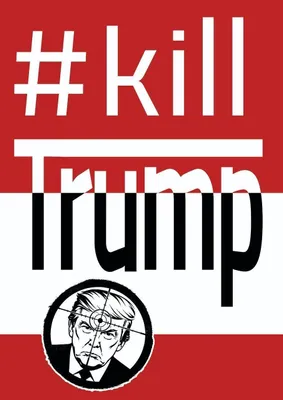
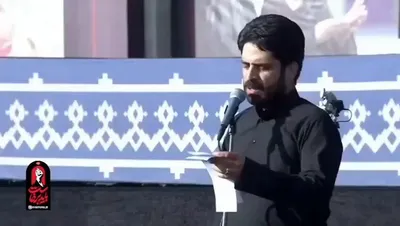
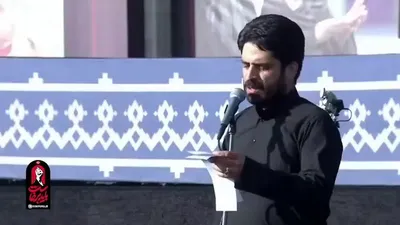
Protests@✡︎𝐋𝐢𝐯𝐞𝐈𝐫𝐚𝐧𝐍𝐞𝐰𝐬🇮🇷🇮🇱: ⚡️ 🇺🇸🇮🇱🦀At Ali Khamenei’s funeral, regime loyalists and state backed chanters openly called for the assassination of President Donald Trump in front of tens of thousands of people. One speaker liJul 5, 20260Read more
International Response@Open Source Intel: Calls to assassinate U.S. President Donald Trump were heard before tens of thousands attending funeral events for Iran’s late Supreme Leader, Ali Khamenei, as one speaker declared, “Why should we not Jul 5, 20260Read more