International Response
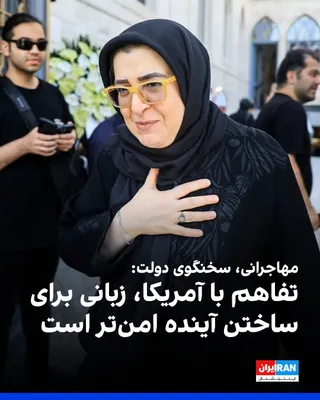
@ايران اينترنشنال: Fateme Mohajerani, spokesperson for the government of the Islamic Republic, referring to the remarks of Masoud Pezeshkian, President of the government of the Islamic Republic, about the memorandum of
0
Israel and Hezbollah agreed to a ceasefire on Friday following a resurgence of strikes in Lebanon that killed 47 people, according to Lebanese authorities, straining the interim deal signed between Tehran and Washington to end the Middle East conflict.
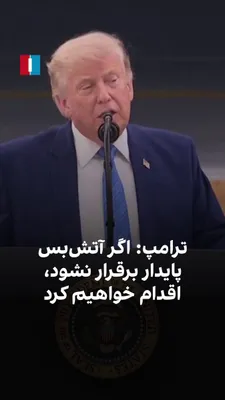
On June 19, Israel and Hezbollah agreed to a ceasefire in Lebanon following deadly exchanges that left at least 20 people dead in Lebanon and four Israeli soldiers killed. Israeli National Security Minister Itamar Ben Gvir responded with a threatening statement.
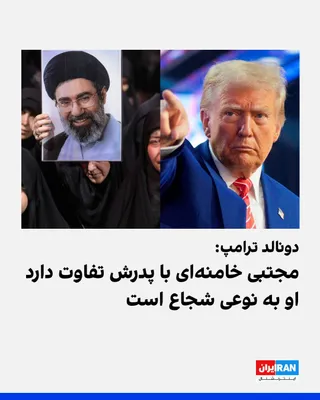
In an interview with Axios, U.S. President Donald Trump commented on Iran's Leader, Ayatollah Mojtaba Khamenei, stating, "Mojtaba Khamenei is severely damaged. I have never met him, but he has a kind of courage." Trump also noted that Mojtaba Khamenei is less radical compared to previous leadership groups.
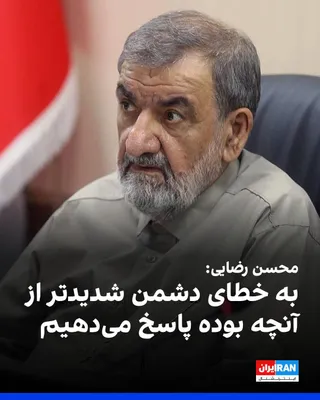
Mohsen Rezaei, the military advisor to Mojtaba Khamenei and former commander of the Islamic Revolutionary Guard Corps, stated on Islamic Republic of Iran Broadcasting that the Strait of Hormuz and Iran's regional authority must not be weakened, warning of severe responses to any enemy actions to maintain deterrence for the next 50 years.
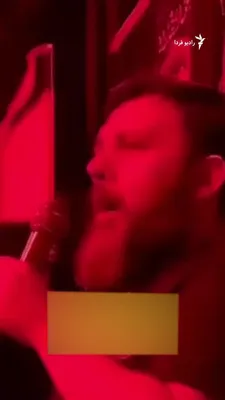
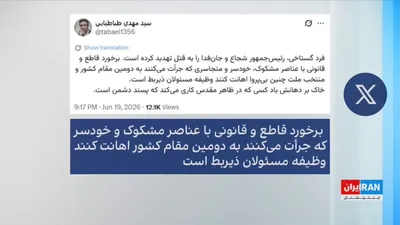
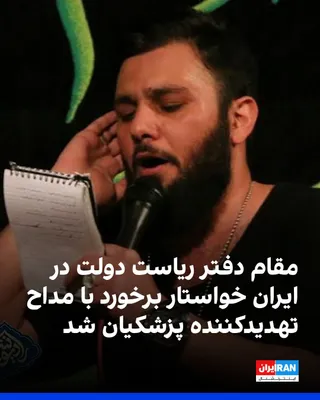
On June 18, a video circulating on social media and republished by Iranian media shows a eulogist threatening Masoud Pezeshkian, head of Iran's Supreme National Security Council, warning that if the Leader's conditions are not met, Pezeshkian's life could be at risk. The same day, Mojtaba Khamenei published a message attributing responsibility for a recent Iran-US agreement to Pezeshkian and other council members.
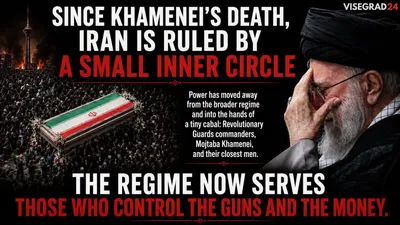
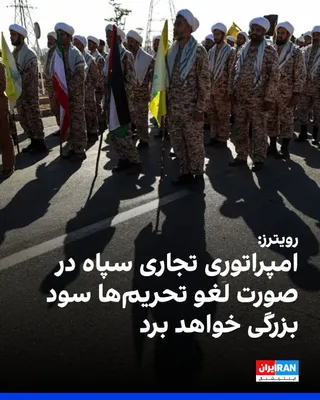
The Islamic regime in Iran has announced plans to bury late Ayatollah Khamenei in the coming days. Since his death, power has shifted to a small group of Revolutionary Guards commanders and the new Supreme Leader, Mojtaba Khamenei, and his inner circle.
The Islamic Republic of Iran has not fired missiles at any ships for two consecutive days, and the volume of oil passing through the Strait of Hormuz has increased to levels not seen since the start of the conflicts.
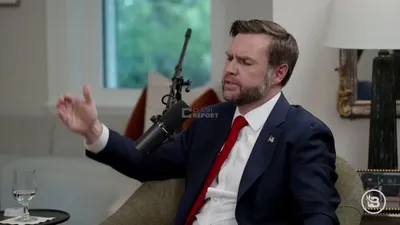
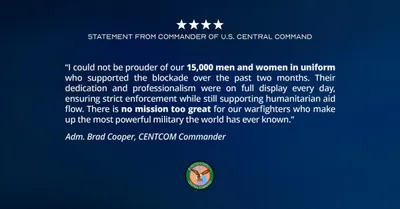
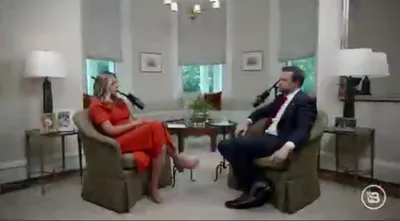
U.S. Vice President JD Vance stated that the United States aims to protect commercial ships in the Strait of Hormuz to ensure the flow of oil from the Persian Gulf, emphasizing that the U.S. does not plan for a permanent military presence but demands that the Islamic Republic of Iran cease threatening international shipping.
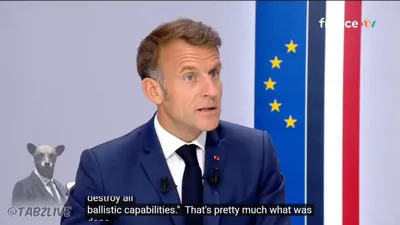
French President Emmanuel Macron stated that regime change cannot be achieved through bombing and warned that more extreme military actions being pushed by individuals associated with former U.S. President Donald Trump would likely require extensive ground operations and a prolonged war, citing the failure of long-term military involvement in Afghanistan.
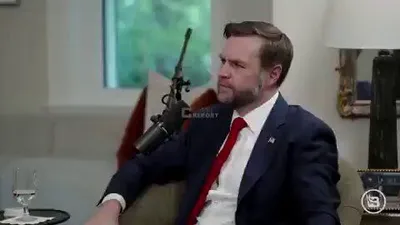
The Vice President of the United States announced that the reopening of the Strait of Hormuz reduced the price of oil from $126 to around $75, leading to a decrease in U.S. gasoline prices below $4 for the first time since March.
Liban donosi, że izraelskie ataki造成了翻译中断,下面是仅提供翻译的部分,没有额外添加或评论: Lebanon donosi, że izraelskie ataki zabili 18 osób, podczas gdy Izrael twierdzi, że cztery z jego żołnierzy zginęły w wyniku ataków Hezbollahu.

Hezbolaunched ataki, które zabili 4 izraelskich żołnierzy i ranieli kilku innych; Izrael odparł z siłą, podczas gdy Stany Zjednoczone poparły prawo Izraela do samoobrony, jednocześnie zachęcając do wprowadzenia trzymającej pokój umowy.